How can research organisations create research careers that are not only attractive to talented researchers, but also sustainable, transparent, and adaptable to a changing research landscape?
These are some of the questions being explored through SECURE2 (Sustainable Careers for Research Empowerment), a European project bringing together research-performing and research-funding organisations to test and apply the European Framework for Research Careers. As a project partner, Vitae is contributing expertise in researcher development and helping to ensure that learning from the project can support institutions across the wider research sector.
One of the project’s first major activities has been to examine the current state of research career support across pilot institutions in Europe. Early findings suggest that while many organisations have made considerable progress in supporting researchers, there are still common challenges that need to be addressed if research careers are to become more sustainable.
Across the pilot institutions, strong foundations are often already in place in areas such as working conditions, employment practices, and researcher support. However, three themes have emerged as particularly important areas for further development: career stability, mobility, and career pathways.
For many researchers, uncertainty about future employment remains a significant concern. The project has highlighted the need for more predictable career progression and greater visibility of the opportunities available both within and beyond academia. At the same time, institutions continue to explore how best to support international, intersectoral and interdisciplinary mobility, enabling researchers to develop their careers across different sectors and environments.
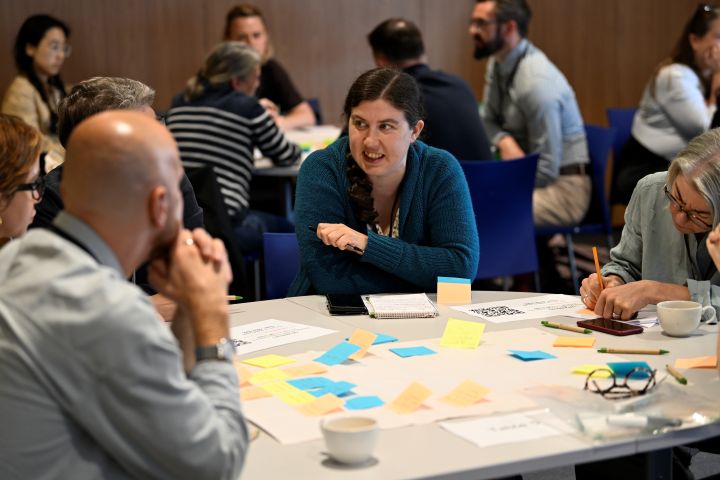
Researchers themselves have reinforced these messages through SECURE2 workshops and consultation activities. Participants have identified transparent career pathways, supportive leadership and management, fair reward structures, and stronger connections between academic and non-academic careers as critical factors in creating an environment in which researchers can thrive.
These findings will resonate with many institutions across the UK and internationally. They also align closely with themes emerging through Vitae’s own work with the sector, including discussions around research culture, career pathways, and the long-term impact of researcher development activities.
The next phase of SECURE2 will focus on developing and implementing tailored action plans within participating institutions, allowing partners to test approaches, share learning and build evidence about what works in practice.
For Vitae, participation in SECURE2 provides an important opportunity to bring together European and UK perspectives on researcher careers. As institutions continue to navigate changing expectations around research culture, career development and talent management, international collaboration offers valuable opportunities to share approaches and learn from different contexts.
Ultimately, the messages emerging from SECURE2 are clear: supporting sustainable research careers requires more than individual development opportunities. It also requires institutions to create clear pathways, supportive environments and coherent career frameworks that enable researchers to build successful and rewarding careers throughout and beyond academia.
As the project progresses, Vitae will continue to share insights and practical learning that can help institutions strengthen their approach to researcher career development and contribute to a more sustainable research ecosystem.
Read the latest SECURE2 newsletter: SECURE2 Bulletin JUNE 2026